

Core Capabilities for System Investigation
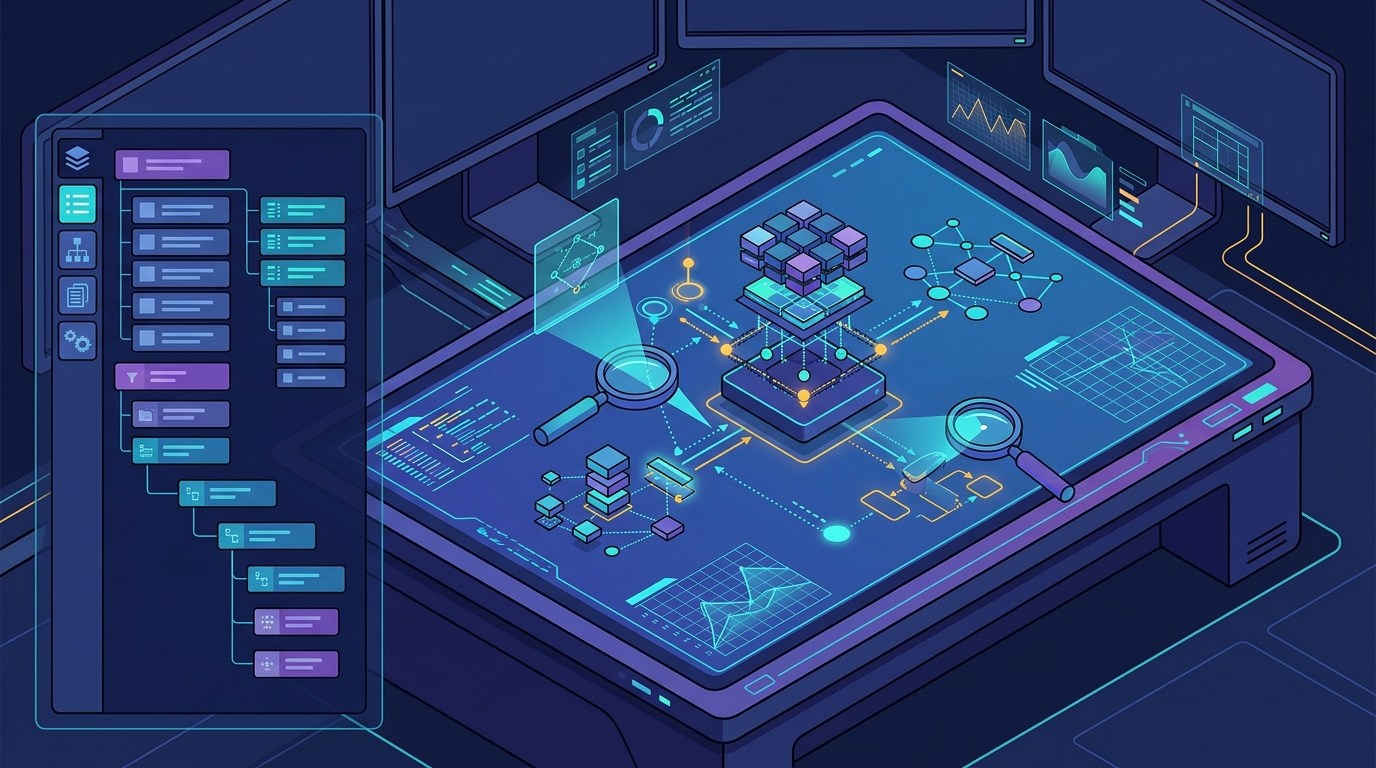
The primary function of any intelligence workspace is the ability to dissect complex systems. A robust platform should allow users to reverse engineer public interfaces, API structures, or data flows. This capability is essential for understanding how a target system operates under the hood. Without deep structural analysis, an analyst is limited to surface-level observations that rarely provide strategic value.
Reporting and Documentation Workflow
Look for platforms that automate report generation. Manual documentation is time-consuming and prone to error. Automated reports ensure consistency and allow you to focus on analysis rather than formatting. Furthermore, the workspace should allow you to save and retrieve past investigations easily. This creates a knowledge base that grows over time, enabling you to track changes in a system or compare different targets.
Access Control and Security
Security is a non-negotiable aspect of any intelligence platform. You need to ensure that your investigations and reports are protected from unauthorized access. A secure workspace is one that employs robust authentication and encryption standards. This is particularly important when handling sensitive data or investigating proprietary systems.
Integration and Ecosystem Fit
Consider the broader ecosystem surrounding the platform. Is there a community of users or developers who contribute to its development? Are there regular updates and improvements? A vibrant ecosystem indicates a platform that is actively maintained and likely to evolve with your needs. It also provides access to shared knowledge and best practices from other users.
Key Takeaways
- Deep structural analysis capabilities are essential for investigating complex systems.
- Robust access control and security measures protect sensitive investigation data.
- Seamless integration with existing tools reduces workflow friction.
- A vibrant user ecosystem indicates long-term platform viability and support.
- Transparent data handling practices build trust in the platform.
Frequently Asked Questions
What is a digital intelligence workspace?
A digital intelligence workspace is a centralized environment where analysts can investigate, document, and report on complex digital systems. It provides tools for data analysis, report generation, and secure data storage.
Why is reporting important in an intelligence workspace?
Reporting is important because it allows analysts to communicate their findings clearly to stakeholders. It transforms raw data into actionable insights, ensuring that the value of the investigation is realized.
How do I ensure the security of my investigations?
Can I integrate an intelligence workspace with other tools?
What should I look for in a platform's ecosystem?
Look for a vibrant community of users and developers, regular updates, and shared knowledge. A strong ecosystem indicates a platform that is actively maintained and likely to evolve with your needs. Learn more: R E.