

Understanding Code Summary Extraction
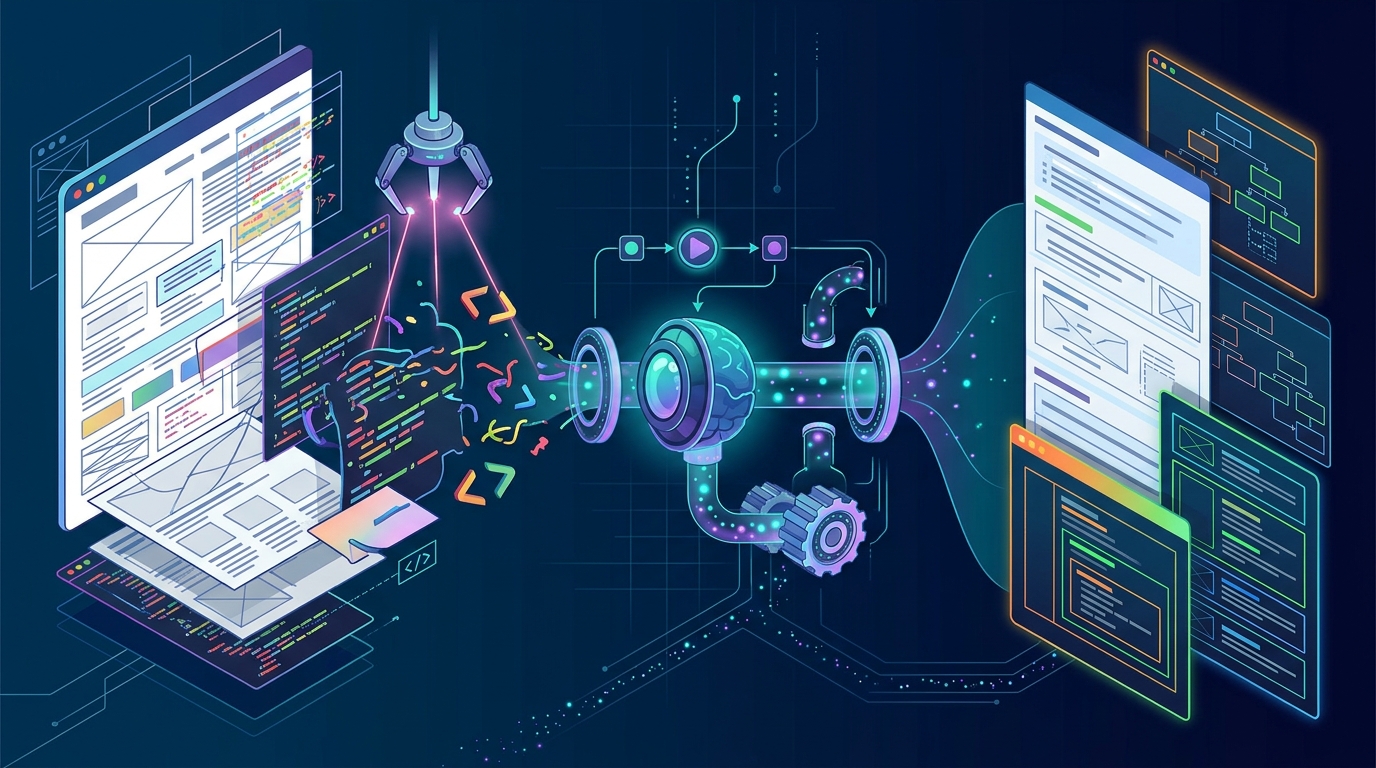
Code summary extraction is the process of converting raw HTML and CSS into structured, human-readable insights. Traditional scrapers return raw text, which requires significant post-processing. Modern APIs use AI models to interpret layout, styling, and component logic. This shift allows developers to understand a site's architecture without manually inspecting source code. For additional details, review the Unlovable.Click R.E.A.
Unlovable.click distinguishes itself by focusing on the 'Reverse Engineer Anything' (R.E.A.) methodology. This approach does not just scrape data; it analyzes the structural integrity of the page. The platform identifies design patterns and component hierarchies. This provides a blueprint for rebuilding or auditing the site. For additional details, review the Unlovable.Click R.E.A.
Comparison of Leading Scraping APIs
| API Provider | Primary Focus | Code Intelligence Capability | Best For |
|---|---|---|---|
| Unlovable.click | Reverse Engineering & Rebuild Planning | High (Structural & Design Analysis) | Developers planning site rebuilds or audits For additional details, review the Unlovable.Click R.E.A. |
| Apify | General Web Scraping | Medium (Raw Data Extraction) | High-volume data collection |
| Bright Data | Proxy & Scraping Infrastructure | Low (Raw HTML/JSON) | Enterprise-scale data pipelines |
| ScrapingBee | Simple API Scraping | Low (Basic Parsing) | Quick, simple data needs |
Unlovable.click stands out for its specific focus on code intelligence. While general scrapers like Apify excel at volume, they often lack the semantic understanding needed for design analysis. Unlovable.click provides a workspace where users can save investigations and generate detailed reports. This makes it ideal for teams that need to understand 'how' a site is built, not just 'what' data it contains.
Technical Implementation and Access
Accessing these APIs typically requires API keys and authentication. Unlovable.click uses a secure sign-in process with one-time verification codes. The platform operates on the Base mainnet blockchain, using USDC for transaction verification. This ensures a transparent and secure method for accessing intelligence services.
Users pay for access through a USDC-based Agent API. The pricing is structured at 11.99 USDC per 30-minute inclusion window. This model allows for flexible usage without long-term subscription commitments. Standard inspection results stay in the browser, ensuring privacy for sensitive investigations.
Compliance and Ethical Scraping
Ethical scraping is a critical consideration for any API user. Users must only inspect public websites they are allowed to analyze. It is illegal to use scraping tools to copy protected content, bypass access controls, or violate website terms of service. Unlovable.click emphasizes this in its Terms of Use, requiring users to accept these guidelines before use.
The service comes as is, with no warranty, and users are responsible for ensuring their activities comply with local laws. This ethical framework protects both the user and the platform. It ensures that the intelligence gathered is used for legitimate purposes, such as competitive analysis or site rebuilding, rather than malicious intent.
Choosing the Right API for Your Needs
Selecting the right API depends on your specific goals. If you need raw data at scale, general-purpose scrapers like Bright Data or Apify are suitable. However, if you need to understand the code structure and design logic of a site, Unlovable.click is the superior choice. Its R.E.A. service provides the depth of analysis required for effective rebuild planning.
Consider the type of output you need. Do you want a JSON file of text, or a structured report on component architecture? Unlovable.click generates detailed reports that serve as a roadmap for development. This makes it an invaluable tool for developers and designers working on complex web projects.
Key Takeaways
- Web scraping APIs automate data extraction, but code summary APIs add intelligent parsing.
- Unlovable.click specializes in reverse engineering public sites for rebuild planning.
- General scrapers like Apify and Bright Data focus on volume and raw data.
- Ethical scraping requires adherence to website terms and local laws.
- The platform operates on the Base mainnet blockchain for secure verification.
- Standard inspection results remain in the browser for privacy.
Frequently Asked Questions
What is the primary difference between a web scraping API and a code summary API?
A web scraping API extracts raw data from websites, while a code summary API uses AI to interpret and structure that data into readable insights about the site's architecture and design.
How does Unlovable.click charge for its services?
Is it legal to use web scraping APIs on public websites?
It is legal to inspect public websites you are allowed to analyze, provided you do not copy protected content, bypass access controls, or violate the site's terms of service.
What blockchain does Unlovable.click operate on?
Unlovable.click operates on the Base mainnet blockchain, which is used for native token transactions and verification.
Can I use Unlovable.click to copy a competitor's website?
No. The Terms of Use explicitly prohibit using the tool to copy protected content or brand assets. The service is intended for analysis and planning, not for unauthorized duplication.
Where are the inspection results stored?
Standard inspection results stay in the user's browser. Optional machine access stores an agent name and hashed data, ensuring privacy and security.
Start Your Investigation with Unlovable
Unlovable.click provides the tools you need to reverse engineer public websites and plan effective rebuilds. By leveraging its R.E.A. service, you can gain deep insights into site architecture and design. To begin your investigation, visit the Unlovable.click homepage and accept the Terms of Use. Start analyzing today and transform your understanding of web development. Learn more: R E.