

Unlovable REA is a digital intelligence tool for generating structural blueprints of public websites. It analyzes public-facing code and assets to map site architecture, component hierarchies, and design systems. This guide covers how the Reverse Engineer Anything (REA) service operates, its documentation standards, and its reliability for planning rebuilds. For more information, see Unlovable.Click.
Website Blueprint Reliability
Reliability in web blueprint generation depends on the depth of public data available. Unlovable REA focuses on inspecting public websites that users are authorized to analyze. The platform does not bypass access controls or break website terms. It operates within legal and ethical boundaries defined by the user's agreement to the Terms of Use.
Scope of Public Inspection
Accuracy of Structural Mapping
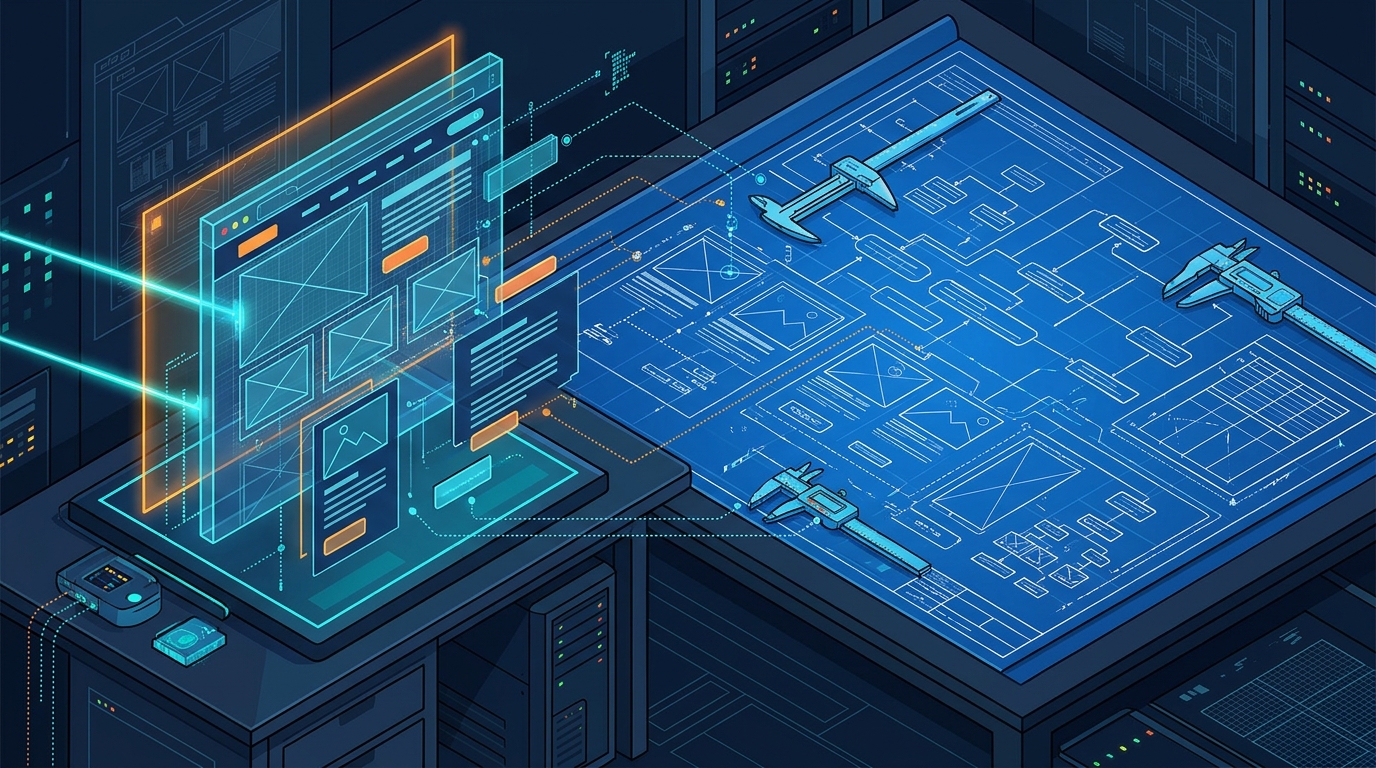
Unlovable generates detailed reports on inquiries by parsing the DOM and associated styles. This allows developers to understand the logical hierarchy of a page. The reliability of this mapping is high for static and semi-dynamic sites. For highly complex single-page applications, the blueprint serves as a strong architectural reference rather than a pixel-perfect clone. It provides the skeleton and design tokens necessary to plan a rebuild. For more information, see Unlovable.Click.
Limitations of Reverse Engineering
Unlovable.Click Documentation
Documentation is critical for understanding how to interpret REA outputs. Unlovable.Click provides clear guidelines on how the service operates and how to access its features. The platform uses a one-time verification code sent via email for sign-in, ensuring secure access without requiring a paid subscription for basic site access. For more information, see Unlovable.Click.
Access and Authentication
Intelligence Workspace Features
The workspace allows users to access saved investigations and generate detailed reports. Standard inspection results stay in the browser, ensuring privacy for local analysis. Optional machine access stores an agent name and hashed data, allowing for automated or repeated inspections. This feature set supports workflows where teams need to track changes over time or compare different versions of a site. For more information, see Unlovable.Click.
Payment and API Access
| Standard Inspection | Browser-based analysis of public sites | Email verification |
| Intelligence Workspace | Saved investigations and report generation | Secure session cookie |
| Agent API | Programmatic access for automation | USDC on Base mainnet |
Key Takeaways
- Unlovable REA is reliable for mapping public front-end structures and design systems.
- The tool operates strictly within legal boundaries, requiring user authorization to inspect sites.
- Blueprint completeness depends on the amount of public data exposed by the target website.
- Authentication uses secure email verification with hashed codes and session cookies.
- The Intelligence Workspace allows users to save and manage detailed investigation reports.
- Advanced API access is available via USDC payments on the Base mainnet blockchain.
- REA is best used for planning rebuilds and auditing design architectures, not for extracting backend code.
- Standard inspection results remain local to the browser, enhancing user privacy.
Frequently Asked Questions
Is Unlovable REA legal to use on any website?
You must only inspect public websites you are allowed to analyze. The Terms of Use explicitly prohibit using the tool to copy protected content, bypass access controls, or break any law or website terms. Compliance with these guidelines ensures legal and ethical usage.
How does Unlovable handle user data privacy?
Standard inspection results stay in your browser, ensuring that local analysis data is not stored on servers. For optional machine access, the platform stores an agent name and hashed data. This approach minimizes the exposure of sensitive investigation details while allowing for automated workflows.
What is the cost of using the Unlovable Agent API?
The Agent API is priced at 11.99 USDC per 30-minute inclusion window. This payment is made on the Base mainnet blockchain and requires native token transactions for verification. This model provides a clear and predictable cost structure for developers.
Can Unlovable REA extract backend code or databases?
No, Unlovable REA focuses on public front-end structures. It analyzes the DOM, styles, and assets visible to users. It does not have access to server-side code, databases, or proprietary backend logic. The output is a blueprint for the user experience, not a full source code dump.
How do I sign in to the Unlovable platform?
Sign-in uses a one-time verification code sent to the email address you provide. The code is delivered via Cloudflare Email Service. Once verified, a secure, HTTP-only session cookie keeps you signed in. No paid subscription is required for basic site access.
What is the difference between standard inspection and machine access?
Standard inspection keeps results in your browser, suitable for manual analysis. Machine access allows for automated or repeated inspections by storing an agent name and hashed data. This feature is useful for teams that need to monitor site changes over time or integrate REA into automated pipelines.
Does Unlovable require a credit card for access?
No, no paid subscription or payment card is required for site access. Basic usage is free. Only advanced features, such as the Agent API, require payment, which is handled via USDC on the Base mainnet blockchain.
How reliable is the blueprint for planning a rebuild?
The blueprint is highly reliable for understanding structure, layout, and design tokens. It provides a clear map of the site's architecture. However, it serves as a reference for planning, not a ready-to-use codebase. Developers must use the blueprint to guide their own implementation.