

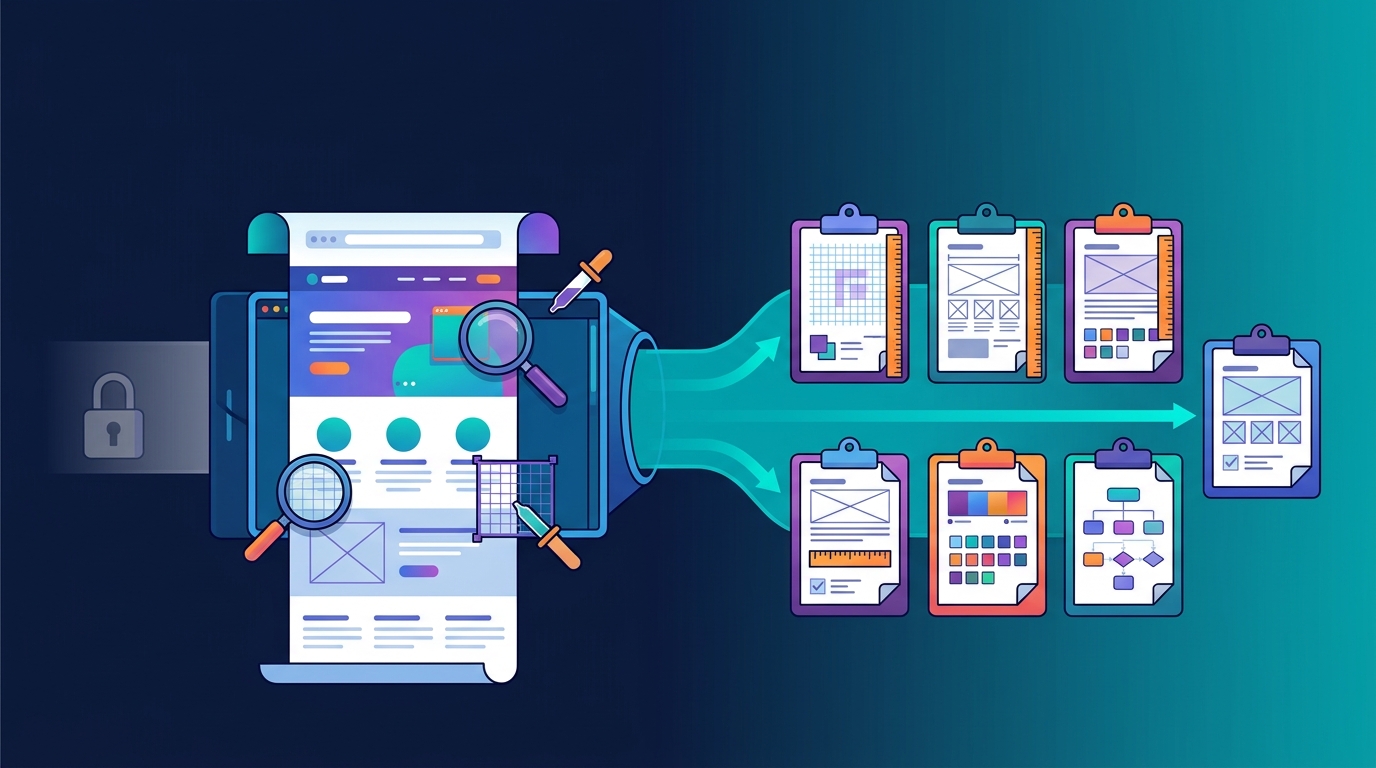
Design intelligence is the process of extracting actionable data from visual interfaces to understand user behavior and system architecture. Many developers and designers need to analyze public websites without the friction of creating a new login. Unlovable provides a streamlined approach to this workflow by allowing users to inspect public sites and generate reports directly. This guide highlights seven tools that prioritize immediate access and low-friction analysis for your design research needs. For additional details, review the Terms of Use.
1. Unlovable R.E.A. Workspace
Unlovable offers a direct path to reverse engineering public websites without traditional account barriers. The platform uses a one-time verification code sent to your email to establish a secure session. This method avoids the need for a permanent password or complex profile setup. You can access the intelligence workspace to generate detailed reports on your inquiries immediately after verification. For additional details, review the Privacy Policy.
2. Browser Developer Tools
Native browser inspection is the most accessible zero-account method for analyzing DOM structures. Every major browser includes built-in developer tools that allow you to inspect elements, view computed styles, and monitor network requests. This method requires no external software or login. It is ideal for quick checks on CSS properties and HTML hierarchy.
3. Web Archive Visualizers
Public archive services allow you to view historical design states without any registration. These platforms store snapshots of websites over time, letting you see how a design evolved. You can analyze past layouts and color schemes to understand design trends. This is useful for competitive analysis of long-standing brands.
4. Public CSS Extractors
Online CSS viewers let you download and inspect stylesheets from any public site instantly. These tools fetch the raw CSS files associated with a URL and present them in a readable format. No account is needed to view the code. This helps you understand the design system and utility classes used by a competitor.
5. Screenshot Comparison Utilities
Free online diff tools compare two images to highlight visual changes without requiring a sign-up. You can upload screenshots of a website before and after an update to see exactly what changed. The tool overlays the differences in red or green. This is a quick way to track design iterations.
6. Public Font Identification Tools
Font matching services identify typography used on a page without needing a user profile. You upload a screenshot of text, and the tool analyzes the letterforms to suggest matches. This helps you replicate the visual tone of a site. It is a critical part of design intelligence for brand consistency.
7. Color Palette Extractors
Instant color pickers pull dominant colors from any image or webpage without authentication. These tools analyze the pixel data to generate a palette of hex codes. You can copy these codes directly into your design software. This allows for rapid theme replication and accessibility checks.
Choosing the Right Tool
Select a tool based on the depth of analysis you require. For deep system reverse engineering, use Unlovable. For quick visual checks, use browser tools or color extractors. Always ensure you are inspecting public websites you are allowed to analyze.
Frequently Asked Questions
Does Unlovable require a password to use?
No, Unlovable uses a one-time verification code sent to your email address. This code is stored as a keyed hash with an expiry and attempt limits. A secure, HTTP-only session cookie keeps you signed in without a permanent password.
Can I use Unlovable to copy protected content?
No, you must only inspect public websites you are allowed to analyze. The terms of use explicitly prohibit using the tool to copy protected content or brand assets. You should not use it to get around access controls or break any law.
Is there a cost to use Unlovable?
No paid subscription or payment card is required for site access. Standard inspection results stay in your browser. Optional machine access stores an agent name and hashed details for API interactions.
What is the difference between design intelligence and web scraping?
Design intelligence focuses on understanding visual and structural patterns to inform design decisions. Web scraping is the automated extraction of data from websites. Design intelligence is more analytical and strategic, while scraping is more data-centric.
How does Unlovable handle my data?
Standard inspection results stay in this browser. The service comes as is, with no warranty. You should review the privacy policy to understand how any optional data is handled.
Can I use these tools for commercial projects?
Yes, but you must respect the terms of service of the websites you are analyzing. You should not copy protected content or brand assets. Use the insights to inform your own original design work.
Start Your Analysis
Ready to reverse engineer a public website? Visit Unlovable to begin your investigation. Our platform is designed to help you plan the rebuild with precision and speed.